
Earlier this month, Nintendo released a remake of The Legend of Zelda: Ocarina of Time for Switch 2. This remake completely overhauled the visuals and music to bring them up to par with current generation titles, as well as made lots of gameplay tweaks to modernise and expand on the experience. From the jump button to a new menu design, a Hall of Fallen Foes option to Zelda Notes integration, on the surface this is the definitive way to play the game. The ultimate version of Ocarina of Time that fans have been wanting for years.
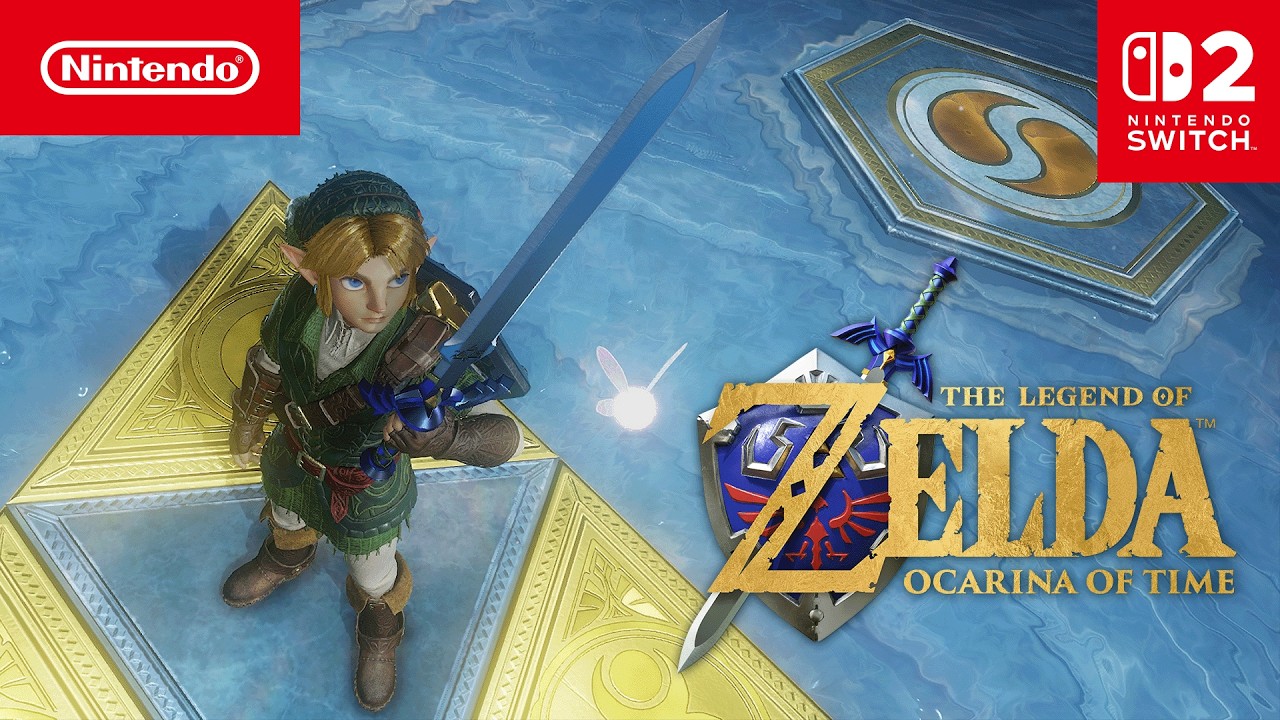
But does it live up to the hype? Is this Ocarina of Time remake another masterpiece, or a flawed reimagining bound by the limits of the original?
Let’s find out!
Graphics
Starting with the graphics. Visually speaking, this looks stunning.
Like you just can’t deny it. Ocarina of Time for Switch 2 might be one of the most technically impressive games Nintendo’s ever made. It’s got lush, detailed textures, faithfully yet creatively updated character models that fit the world perfectly, and a ton of extra detail missing from the original. Just one step into Hyrule Field, Lake Hylia or Kakariko Village will blow your mind here.
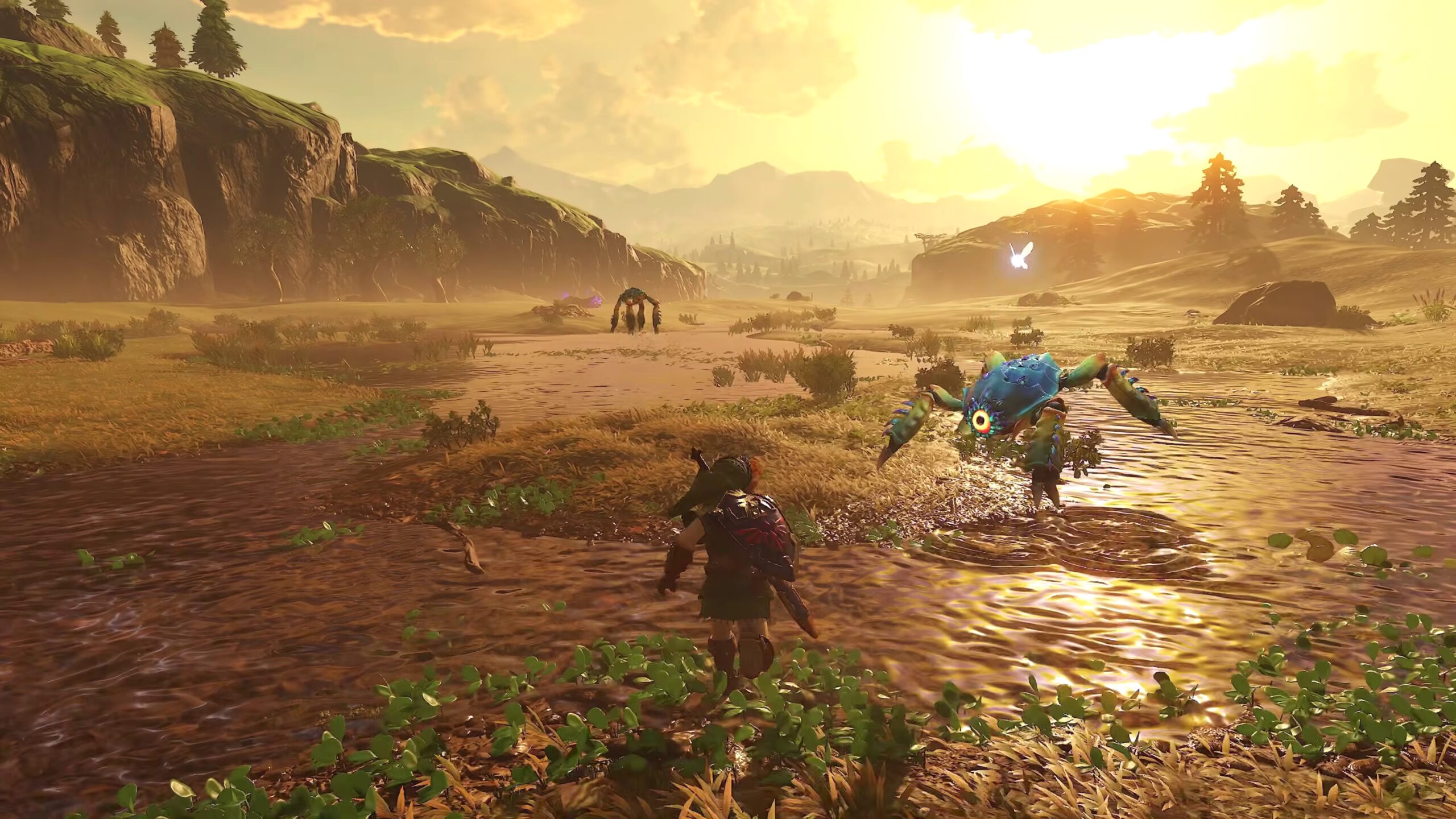
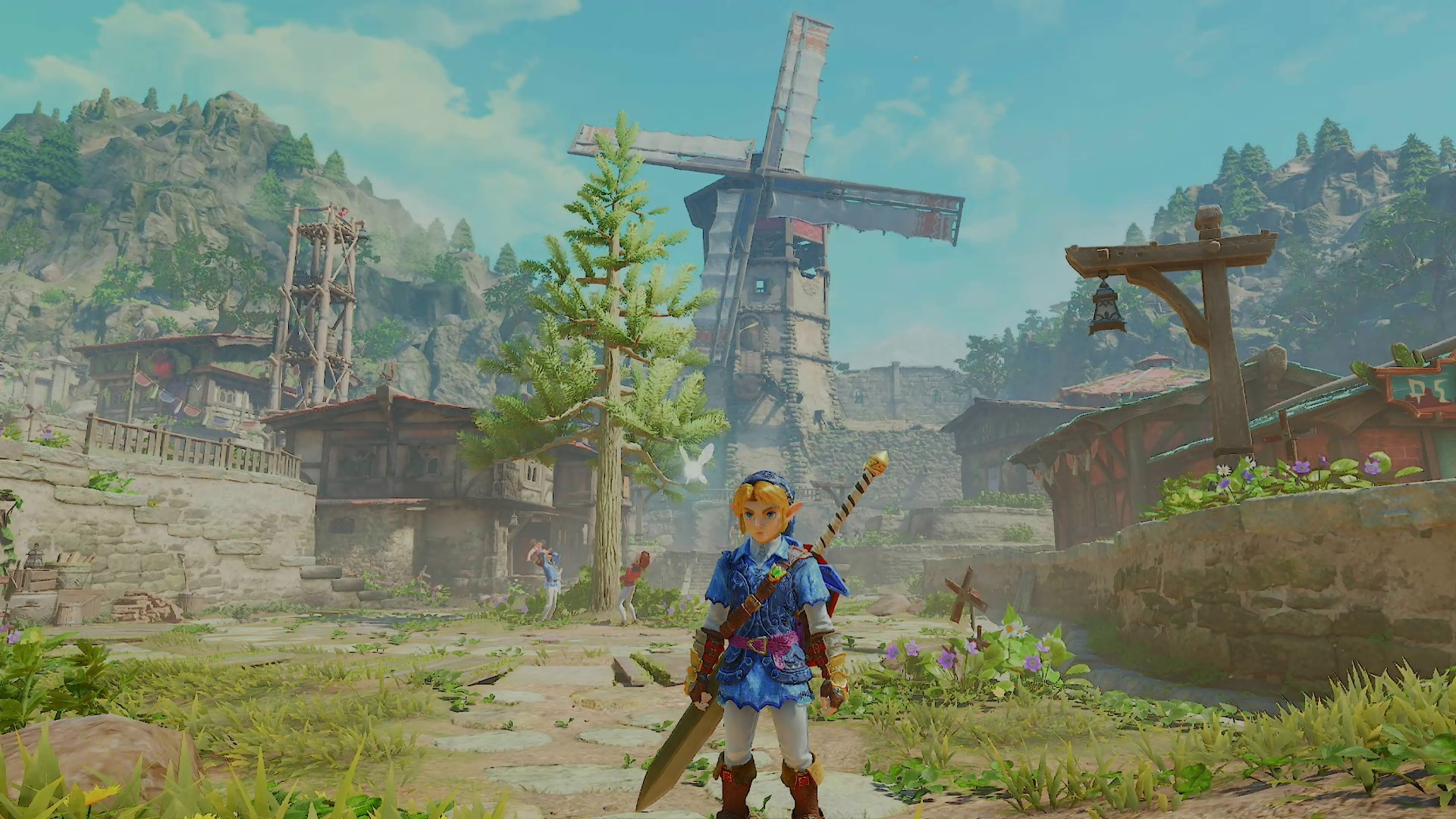
What’s more, it runs well too. We haven’t experienced any notable frame drops here, and even on handheld, it’s very serviceable indeed. Visually speaking, the Ocarina of Time remake is a masterpiece, and one of the best titles the Switch 2 has to offer.
Music/Sound
Music wise it’s pretty damn good too. Every track has been redone by a real orchestra, and they both capture the feel of the originals perfectly while updating them just enough to fit the vibe of the game and its redone visual design.
Gerudo Valley, the Lost Woods, the Forest and Spirit Temple themes… the list of awesome songs in this game just go on and on.

Unfortunately, the voice acting is a somewhat… less stellar affair.
It’s definitely fitting, and the direction is certainly a lot better than in Breath of the Wild or Tears of the Kingdom…

But there’s still a very artificial feel about it nonetheless. Like the actors are trying real hard to match the characters, but don’t quite hit the mark here. It’s very amateur theatre production esque, at least in the English version.
Still, it’s not the end of the world here, and the voice acting is generally used in places where it enhances the story rather than just fills it out, so we’re not too bothered.
Gameplay
Which breaks us to the gameplay and mechanics. And to be honest, there are some things we have reservations about it.
Regardless, let’s talk about what works. Overall, this is still Ocarina of Time at its finest. The world and dungeon design remains incredibly faithful to the original game, and still feels fun to explore and play around in because of that.
Similarly, Link feels great to control too. Yeah, the new manual jump will take a bit of getting used to if you’ve played a lot of the original or 3DS version, but overall, everything’s spot on. The items are fun to use and work exactly as expected, almost every character and object interaction from the original game works here too, and Link just moves like a dream.
There are also some lovely overhauls and quality of life tweaks here too. For example, the new Epona controls feel very much like a mix between the original game and Breath of the Wild, and work way better than on the N64 because of that. Riding her around Hyrule Field just feels fun now, and things like the horse racing mini game are way more enjoyable because of that.
And that aforementioned jump button does make the game flow a lot better too. Now, shorter obstacles can be leapt over entirely, while reaching the top of things like blocks and vines is way more efficient with the updated controls. We’re not accidentally grabbing objects when we meant to climb them anymore, or being stuck taking the long route in areas where an obvious shorter path made a lot more sense.
Then there’s the new dash functionality. In the original game it was quicker to move by rolling, and that does still work here. But being able to just hold the A button afterwards to run is a lot less annoying than needing to spam it every few seconds, even if the latter method still works the same as it always has.
Enemies have also gotten a few updates too, at least when it comes to the stronger ones. You see, in the original Ocarina of Time, many of these foes would get really repetitive after a while, since you could just block their every attack with a shield and safely strike whenever there’s an opening. The Stalfos fights were meant to be challenging before, but honestly felt more like a grind than anything else.
Now that’s a lot better. Now, enemies are significantly more aggressive, and you’ll need to be a bit better at combat to safely deal with them. Stalfos are always on the ball when it comes to blocking attacks and sneaking it strikes when you least expect it, while Lizalfos and Dinofols had a bit of an upgrade as well. Now, all of them attack without mercy, and their untargeted allies will occasionally jump in the fray to land a few blows themselves.
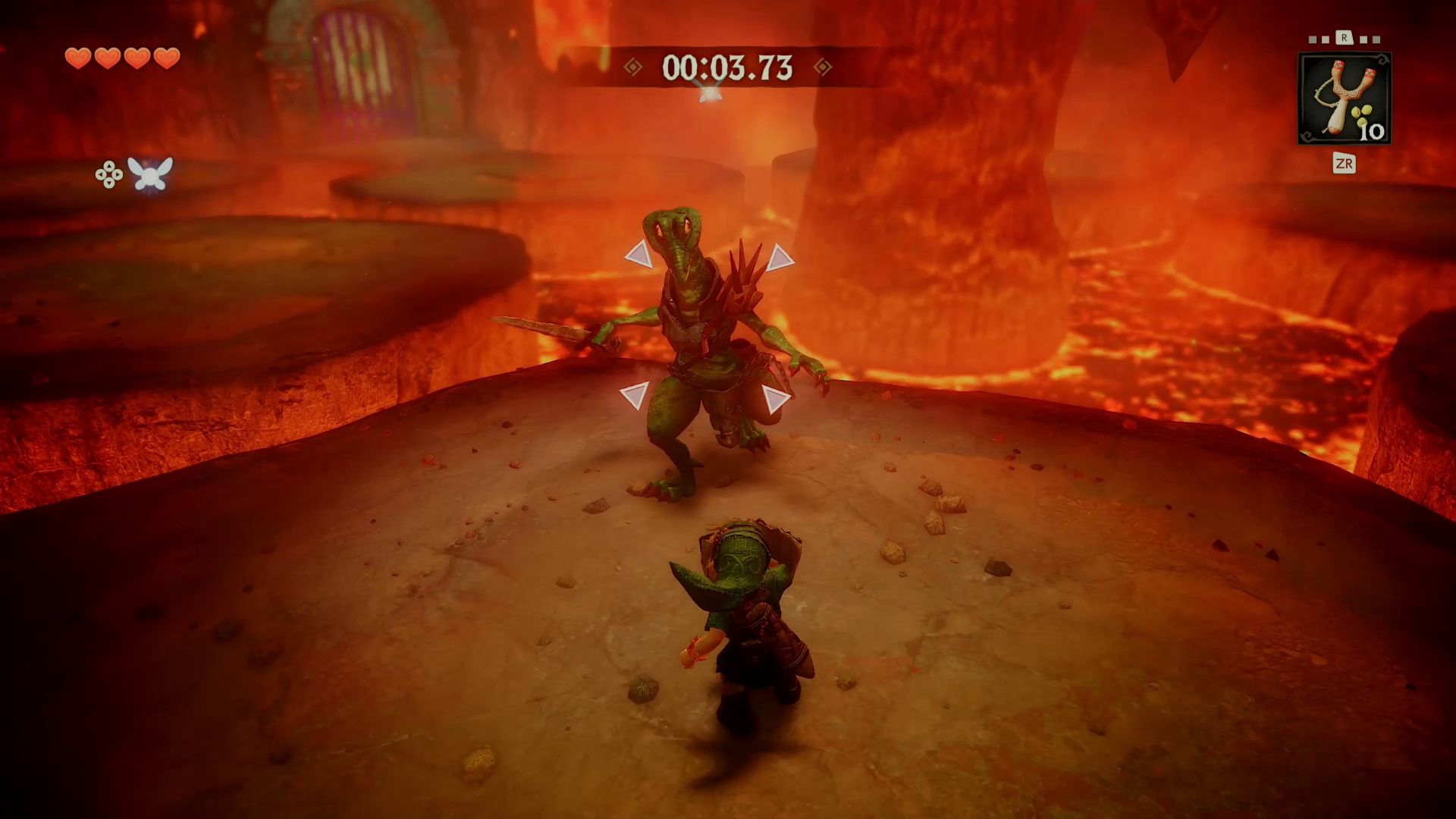
Basically, it feels less like you’re watching actors trade blows at a theme park show now, and more like you’re fighting monsters that simply want you dead.
And then there are the ReDeads. Oh, dear god they’ve updated those guys in the most horrifying ways possible.
For starters, their scream attack comes with a flash of red light and their eyes glowing ominously, taking them from a mild jump scare into trauma central.
But then… they can sprint now. Once they know you’re there and if you haven’t gone too far away yet, they’ll literally bolt after you.
This makes their grab attack significantly harder to avoid than it used to be, and turns them from slow predictable monsters into something out of a modern zombie movie.
Yeah, they didn’t skimp on the nightmare fuel here.
Especially not when enemies like Dead Hand return and take a few levels in badass too. Again, in the original they had sound effects that sounded goofy, a movement speed that was almost comically slow, and a creepy vibe that vanished when you actually had to deal with them.
Not anymore. Now they sound horrific, chase you at much faster (albeit still slow) speeds, and seem designed in a way that the battle is more of an ordeal than a 30 second rush.
In fact, many of the bosses have been ratcheted up here. It’s not too noticeable with Gohma or King Dodongo, since the former covering its eye when not vulnerable and the latter spawning Baby Dodongos isn’t really a game changer…
But the adult era bosses? Yeah, they have new attacks, much more reach, and a lot more aggression this time around. Morpha is still easy, but it’s not that much of a joke anymore, with the ability to reach the corners of the room and new attacks that cover more of the arena.
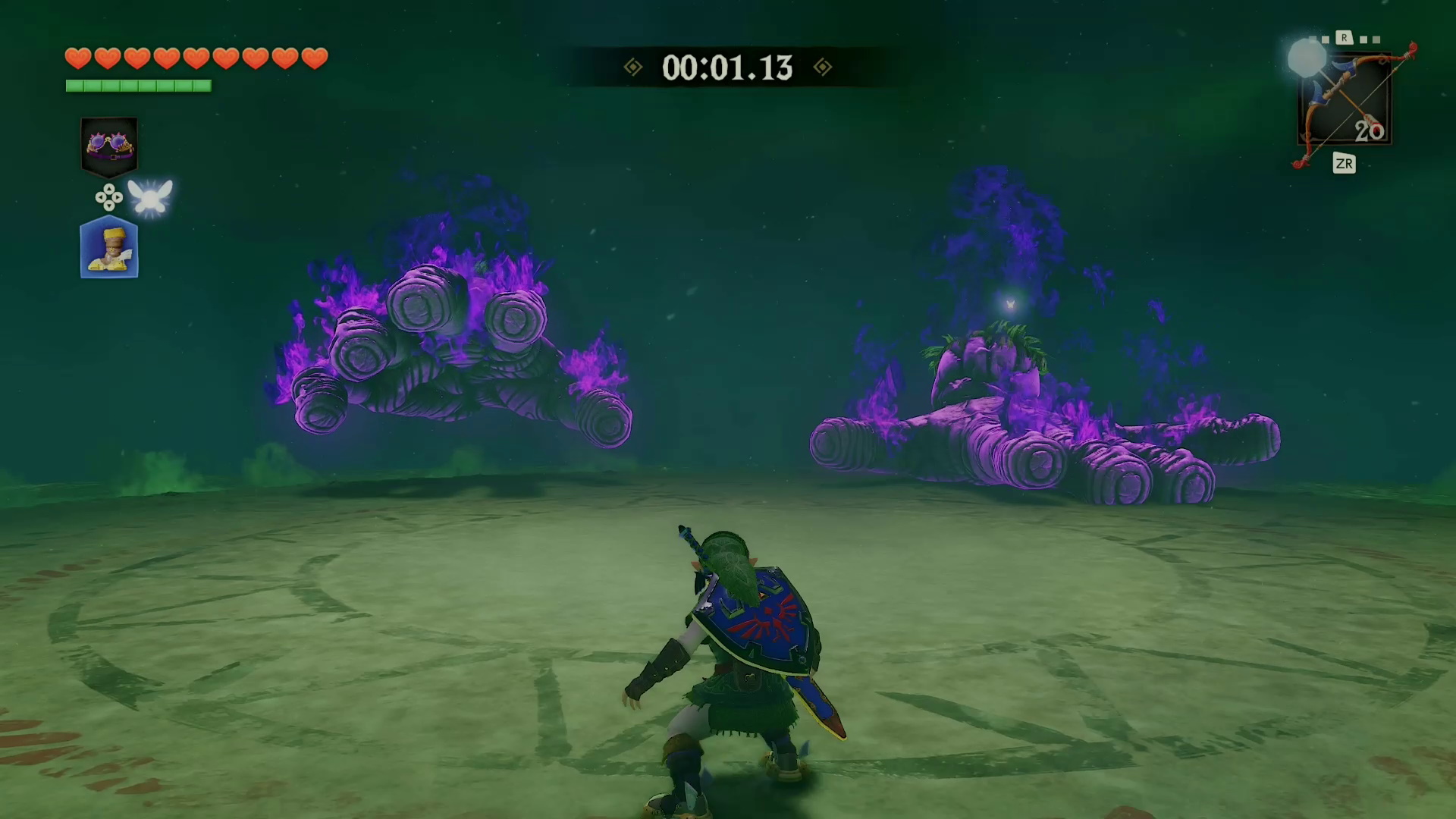
Meanwhile Ganondorf and Ganon… oh boy they’ve upped the difficulty and spectacle in those fights. But we’ll let you discover just how much has changed there!
Speaking of bosses, there’s a new boss rematch option here. Namely, the Hall of Fallen Foes.
This lets you rematch the bosses like in the 3DS versions, albeit with a few new extras thrown in.
First, every enemy in the game has a statue there now, and you can read them to learn more about said enemy and their weaknesses. Given that this is filled in after you defeat them, this incentivises you to figure out how to defeat every monster type in the game at least once.
There are also extra rematch options too. Indeed, while you can still refight the dungeon bosses, and go through a gauntlet of them in a row, you can now do the same with mini bosses too.
So, if you want to refight the Poe Sisters, Flare Dancer, Dark Link, Dead Hand or an Iron Knuckle, now you can. Heck, you can even have a rematch with the first ‘sub-mini boss’ level monsters too, if you want to see how your skills stack up against the first Lizalfos, Wolfos, Stalfos or Dinolfos battles, as well as fight the guard from the Gerudo Fortress.
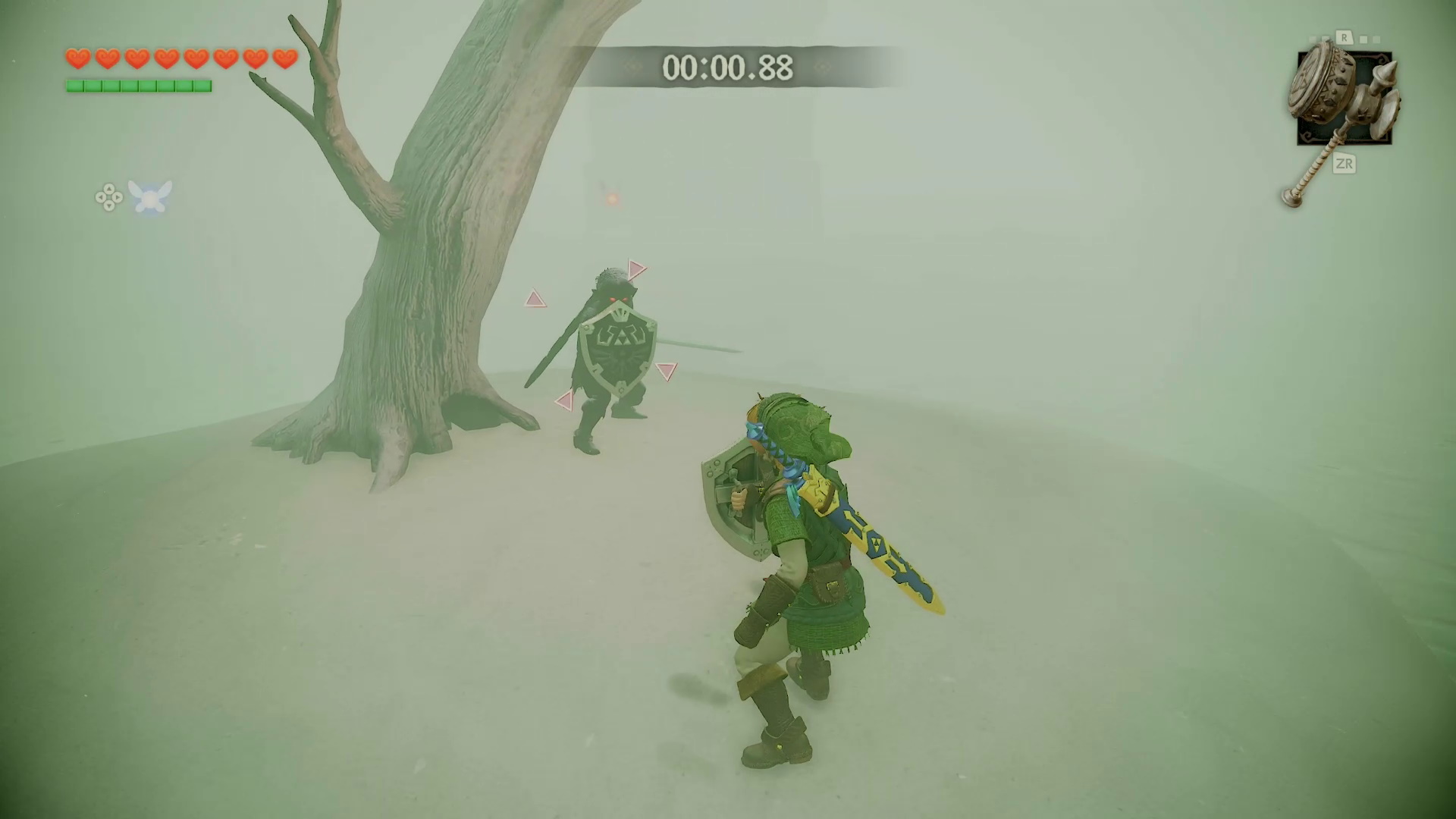
Of course, there’s not much benefit to doing any of this from what we can tell. The actual reward is hidden away in Zelda Notes, and is useless outside of that. So, the only noticeable in-game benefit to this feature is that your hearts and magic are fully restored when you leave.
Regardless, onto something else now. The changes this remake brings to table.
Honestly, it’s kinda weird.
Since well, Ocarina of Time arguably fits smack bang in the middle of the remake to remaster spectrum. It’s nowhere near as crazy as Final Fantasy VII remake, or the Resident Evil remakes, or the first three generations of Pokémon remakes. The core gameplay and mechanics is intact, and the level design is mostly faithful to the original.
But it’s also not just a remaster like Luigi’s Mansion 2 HD or Donkey Kong Country Returns HD either. There’s a huge laundry list of changes to be seen here, and it puts the game in an odd place.
For starters, the world design feels a bit more natural (and interesting here). The journey through Hyrule Castle to reach Zelda has you explore part of the inside of the castle as well as the gardens, the market in the future has more enemies and obstacles, and Hyrule Field… well, it’s been tweaked quite a lot. Now, Lake Hylia and Lon Lon Ranch are part of the same map, the field has different biomes with unique enemies in, and (in the future) there are significantly more enemies than in the original to make things feel dangerous again.
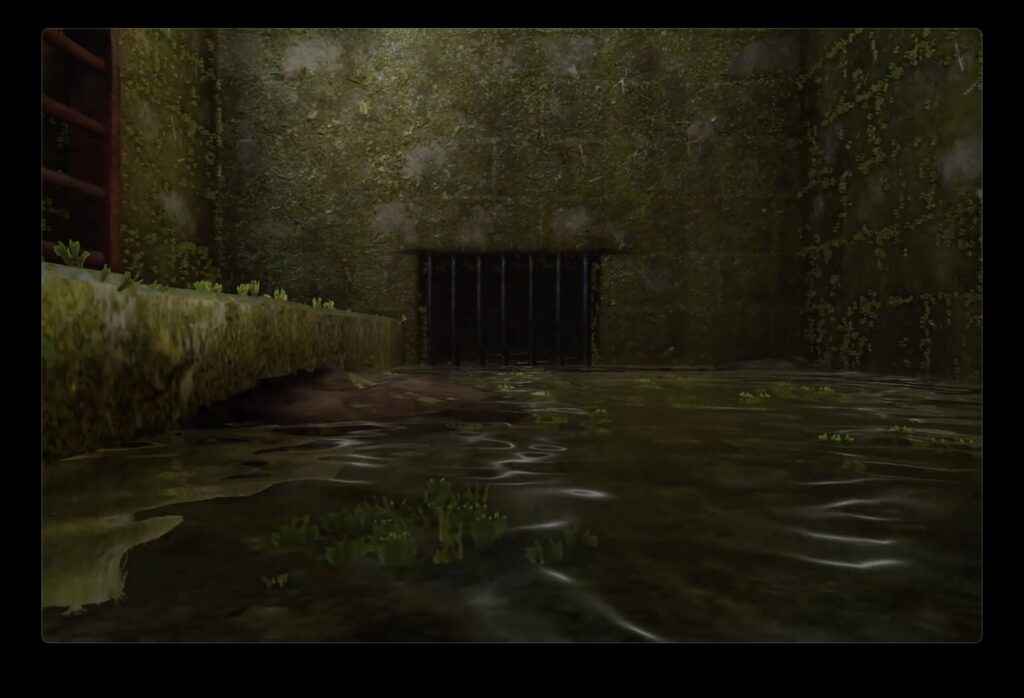
Add this to revamped layouts for many of the towns and villages, and well, the game definitely feels modern in its environmental storytelling. Hyrule feels like a place people live in.
The dungeon revamps we’re not always quite as fond of, since it feels like they simplified a few of them here. No, don’t worry. They didn’t go and make them terminal based like in Breath of the Wild or Tears of the Kingdom.
Instead, it seems like a few keys and locked doors have either been removed (making the locked rooms accessible without a key at all), or added (pigeonholing you into a more linear progression structure). This is especially noticeable in the Water Temple (which seems significantly easier to navigate than on the N64 or 3DS), but is also true in the others as well.
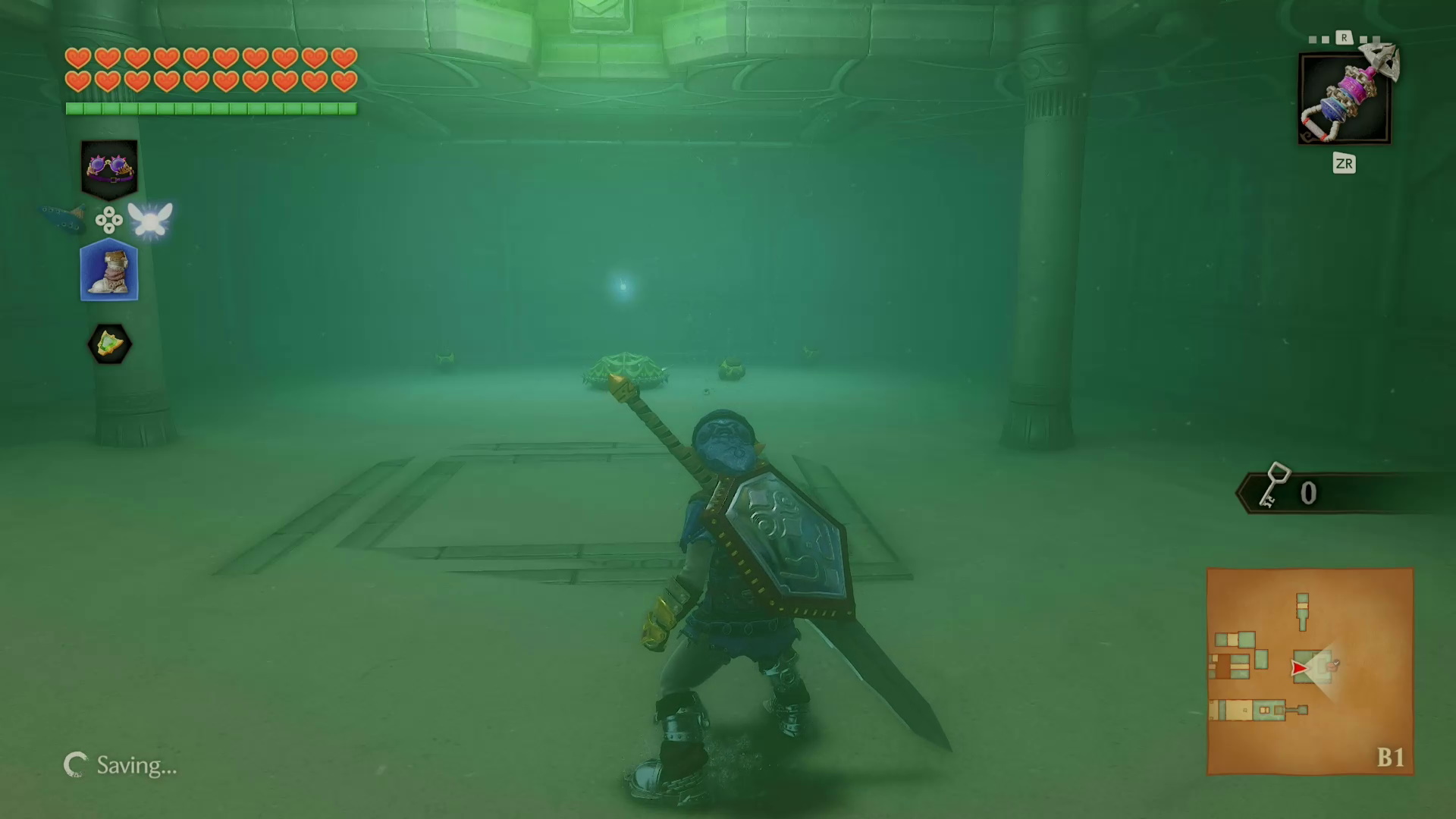
The issue is that Ocarina of Time is already a fairly easy game, with most dungeons being trivial to navigate as is. Making them even simpler just feels like it kills something, especially where the more difficult adult era ones are concerned.
Which brings us to our biggest issue with the remake. One which feels like a poor design choice on Nintendo’s part.
The world has been expanded in many ways, and they’ve added a lot of extra details, but the core layout doesn’t always work with that.
What do we mean here?
Well, in the original, we could justify the small areas due to the technical limitations, and fill in some blanks when it comes to things like areas outside of the main play field.
The remake adds extra stuff there for visual effect, but makes the world feel somewhat boxed in due to its design.
Take Hyrule Castle Town for example. In the original game, it was a fairly… uninteresting town, since it had few buildings to enter and surprisingly few NPCs.
But the limitations meant you could imagine the missing stuff was off-screen. The houses you can’t enter were just outside of camera shot. Same with the countless people you should be able to meet but can’t.
The remake fixes the NPC thing, but doesn’t fix the building one. Instead, lots of buildings are either blocked off with a door you blatantly can’t use, or outright relegated to background objects you can only see in the distance or between loading zones.
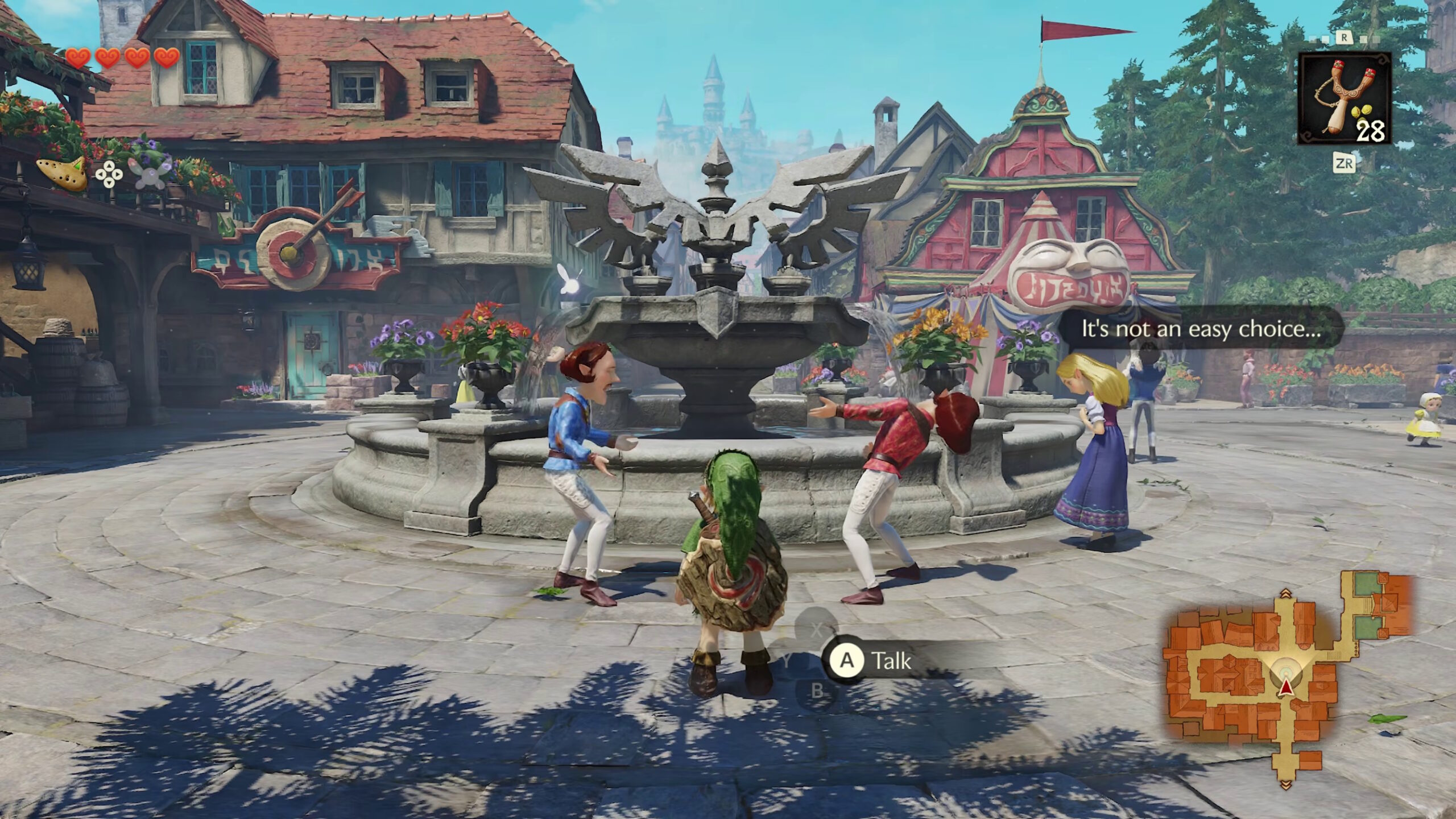
And it just feels kinda cruel to us. Like, let us enter these buildings! The NPCs clearly can, so there’s no real reason Link can’t.
Still, that’s kind of an unavoidable issue with remakes to some degree. Older game worlds were designed to fit the tech of the time, and anything short of a complete reimagining can’t really change that. But the sheer level of detail here plus all the other changes make Ocarina of Time’s limits more noticeable than ever.
What’s a bit more baffling on the other hand is the item/menu design. Why are we still using that horizontal item menu?
It barely worked in Breath of the Wild, was a miserable failure in both Tears of the Kingdom and Echoes of Wisdom and is just kinda annoying in this game too.
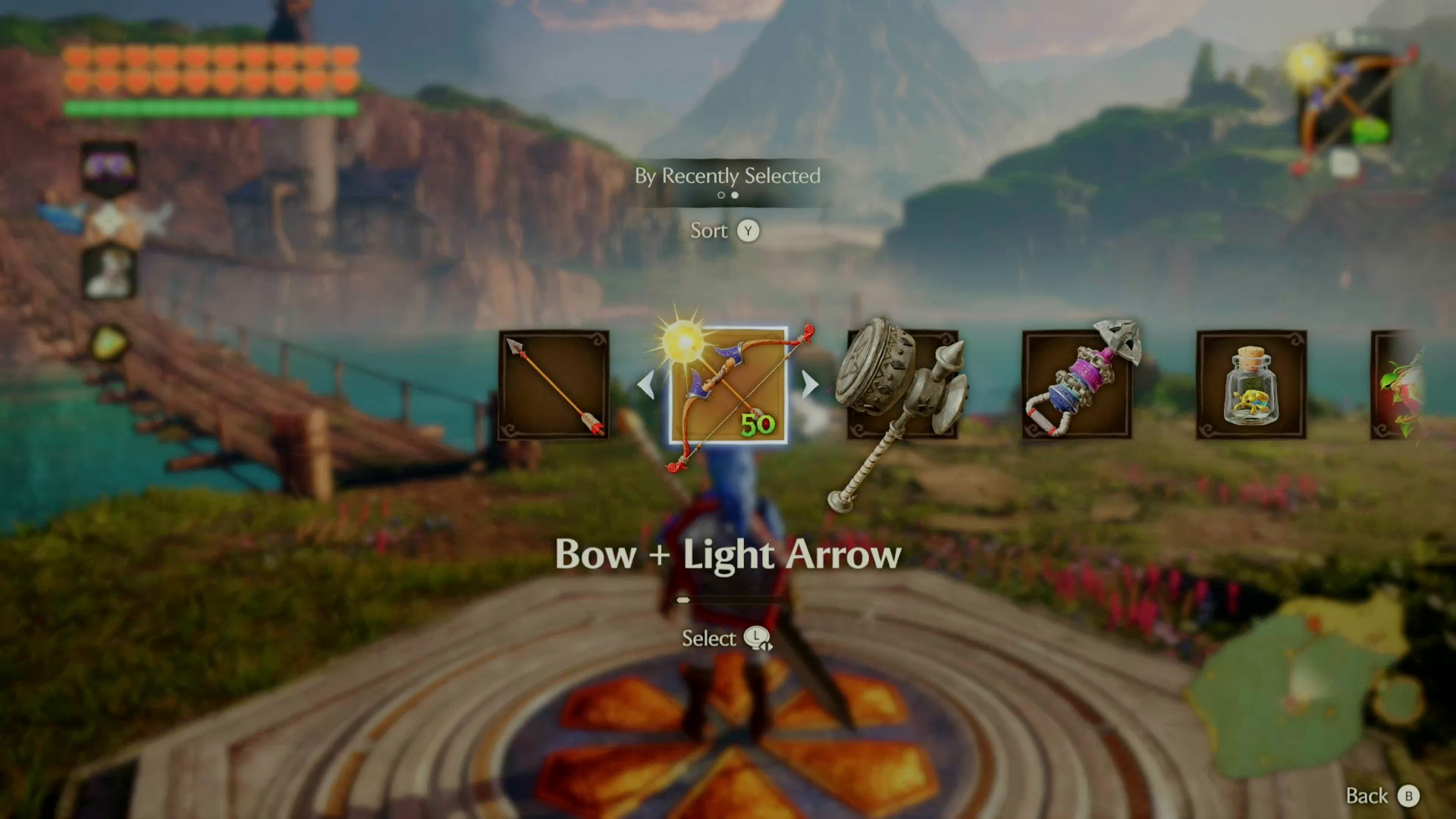
Like, don’t get us wrong: it’s not as bad here as in the past games. Link’s limited item load out makes switching between them this way a lot more tolerable.
But… why have it at all? The original setup with 3 item buttons at once was a lot more usable, and games like Skyward Sword showed us that other inventory setups are way more convenient than the dreaded line. It just doesn’t fit this game, and makes the experience a little worse than it used to be.
Finally, there are some random changes and oversights that just make no sense to us. Like, why was exactly one enemy type in the game removed here?
Seriously, there are no more Big Deku Babas. Only the smaller ones first found near the Great Deku Tree.
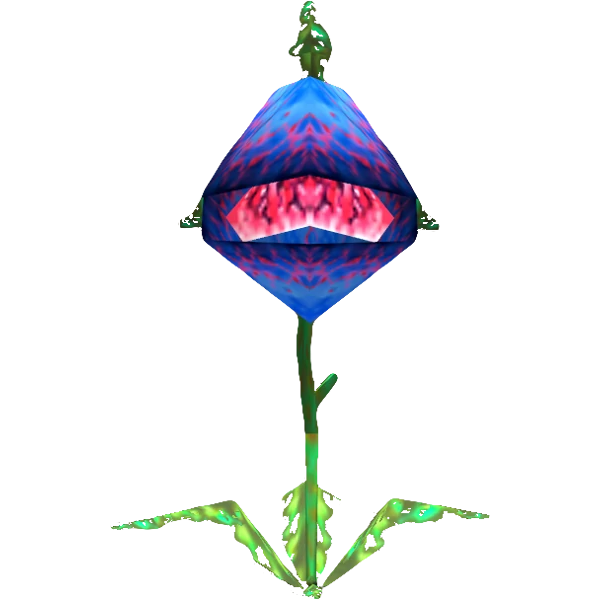
Why?
They have the wilted ones that barely move, and they have the normal ones. Plus, they’ve got every other enemy type in the game present and accounted for here.
It’s just one random monster is gone here, and it doesn’t make sense.
There’s also a bit of a weird inconsistency with the Poe Sisters in the Hall of Fallen Foes too. You can refight Meg, which makes sense given the unique fight. But you can’t rebattle any of the other three. Yeah, they’re not exactly the most exciting bosses in the world, since all of them are basically reskins of the normal Poe enemy.
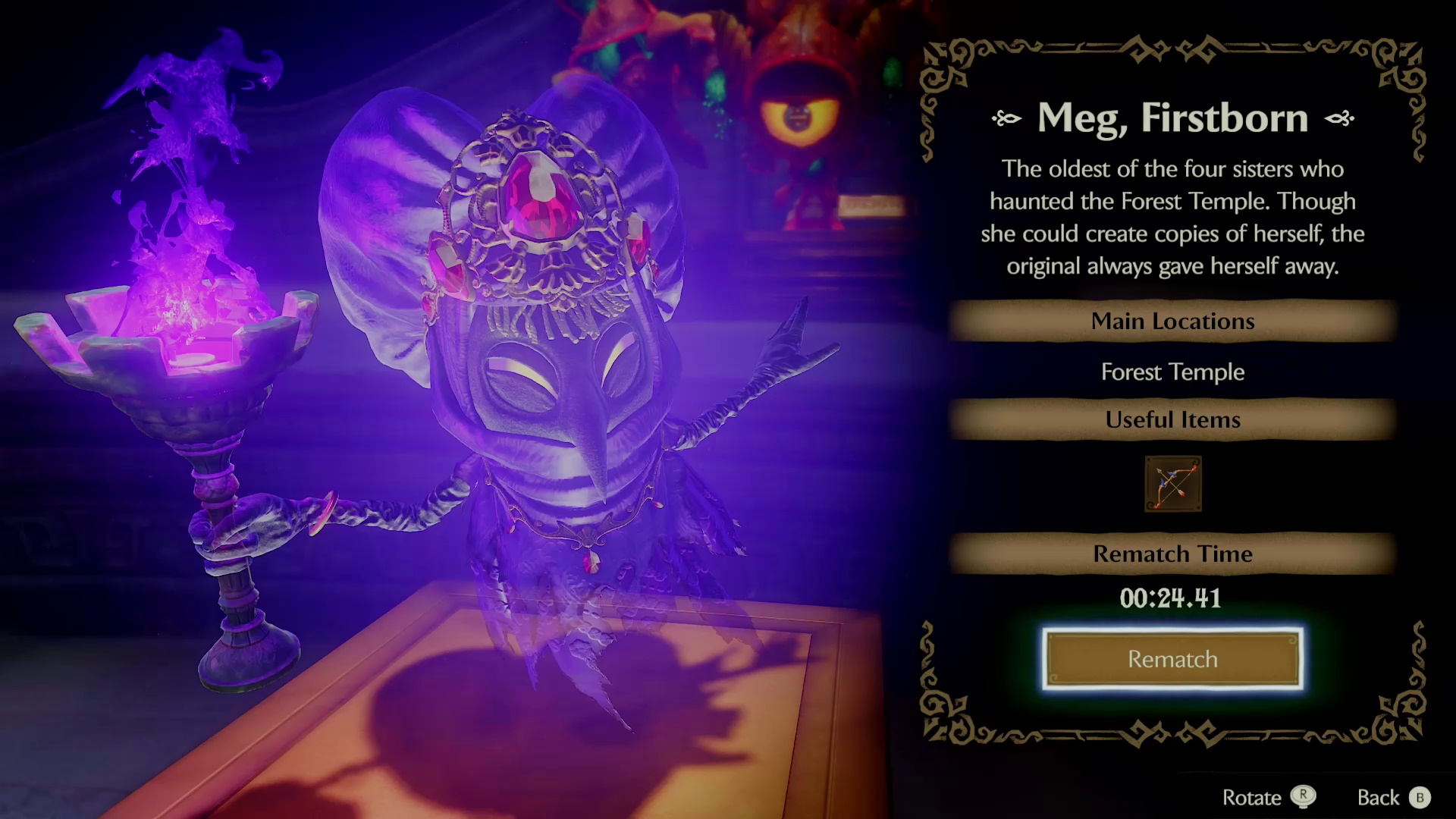
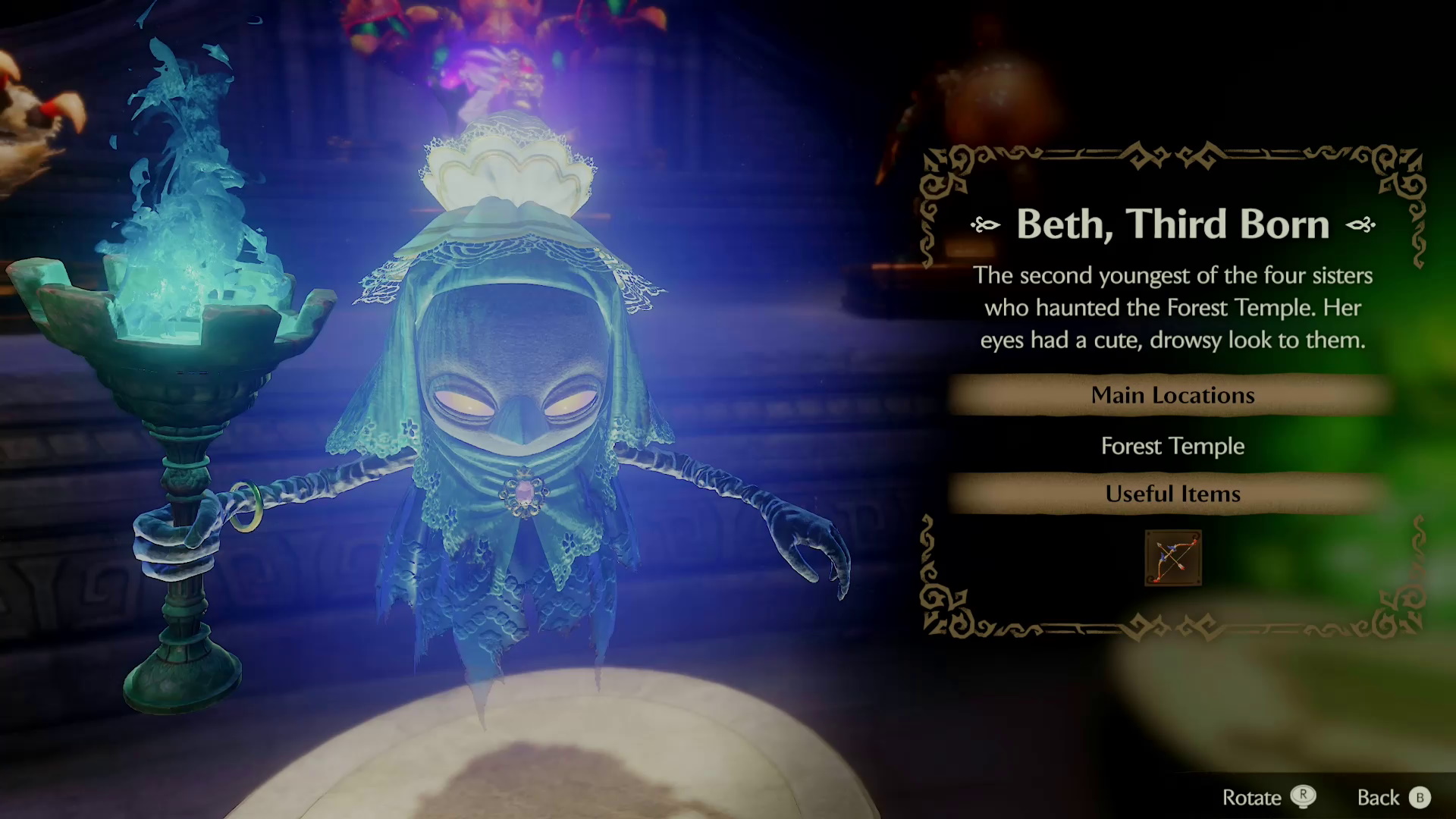
But still. If you can refight other random enemy mini bosses like Lizalfos and Stalfos, you should be able to refight these three too.
Regardless, these are generally minor nitpicks at best, annoyances at worst. None drag the game down to the point it’s not an amazingly fun time, and nothing about the Ocarina of Time remake is anything less than solid when it comes to mechanics or presentation. It’s a great game, and this remake maintains that.
Length/Difficulty/Replay Value
That said, there is one area we’re a bit conflicted on. One area where it’s hard to say if the game is an upgrade or downgrade over the original.
That’s difficulty and game length.
Since to be honest, you could make a REALLY compelling case in either direction.
On the one hand, it’s hard to deny that the enemies and bosses are more challenging than ever before. Lizalfos and Stalfos actually know how to fight, most mini bosses and dungeon bosses have new attacks or attack patterns later in the battle, and the final bosses… yeah, they’re a huge step up from their N64 or 3DS equivalents.
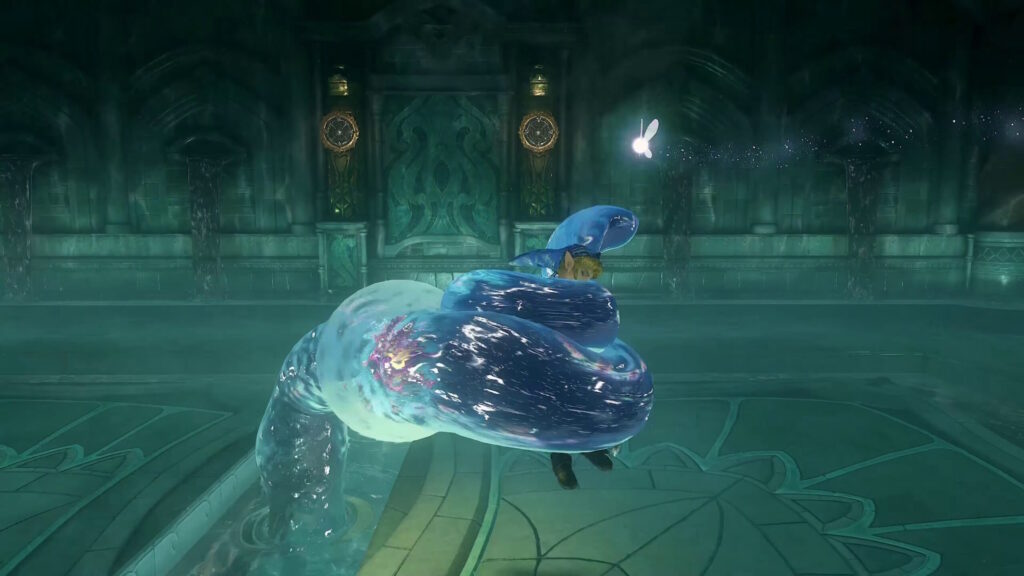
Seriously, we now know how the Downfall Timeline occurred! Link losing to the N64 version of Ganondorf felt as unlikely as a human dying to a housecat. Link dying to this one feels a lot more plausible, that’s for sure!
But then the dungeons are simplified, while the quality-of-life features make Link’s quest easier than ever. Being able to use a new item to summon a shopkeeper at will is incredibly busted, especially in the harder adult era dungeons. And the fact you can save and reload at any point means that in theory, getting through the game by pure trial and error is 100% doable here.
So, it’s a hard one to judge. Some elements give the game a nice bit of extra spice, while others sand it down enough that the edge is completely gone.
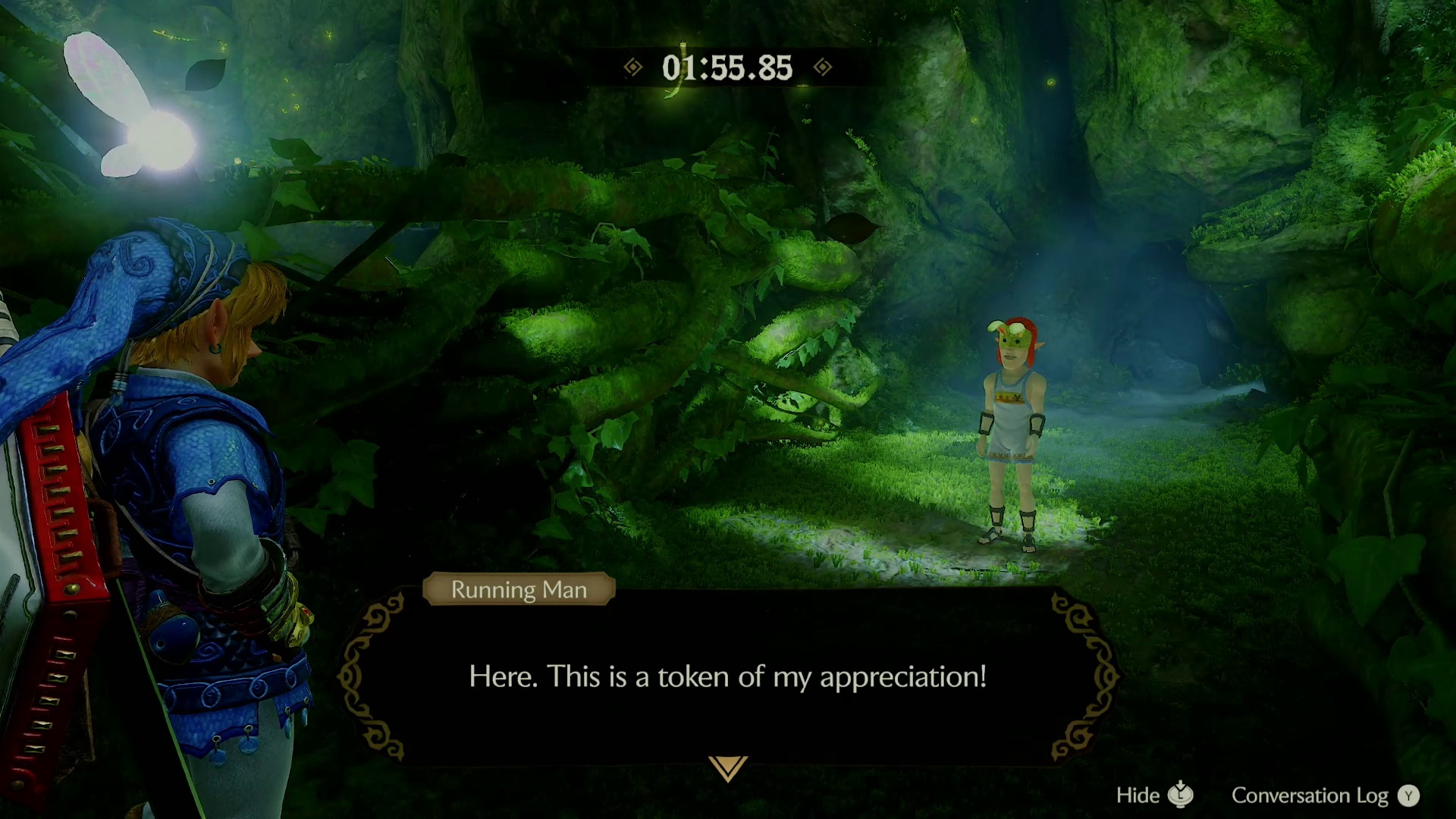
That said, it’s definitely longer than the original, and there’s more replay value here for sure. You’ve got all the usual 100% completion trinkets from that one (heart pieces, Gold Skulltulas, item capacity upgrades, etc), but then you’ve also got the addition of the Hall of Fallen Foes and its challenges, Zelda Notes challenges, and some new stuff to find here and there, like the mostly meaningless Fairy Thoughts and Mask of Truth reveals. Heck, they even fixed some stuff from the N64 original, like making Zora’s Domain possible to unfreeze, or giving you some sort of prize for doing well against the Running Man!
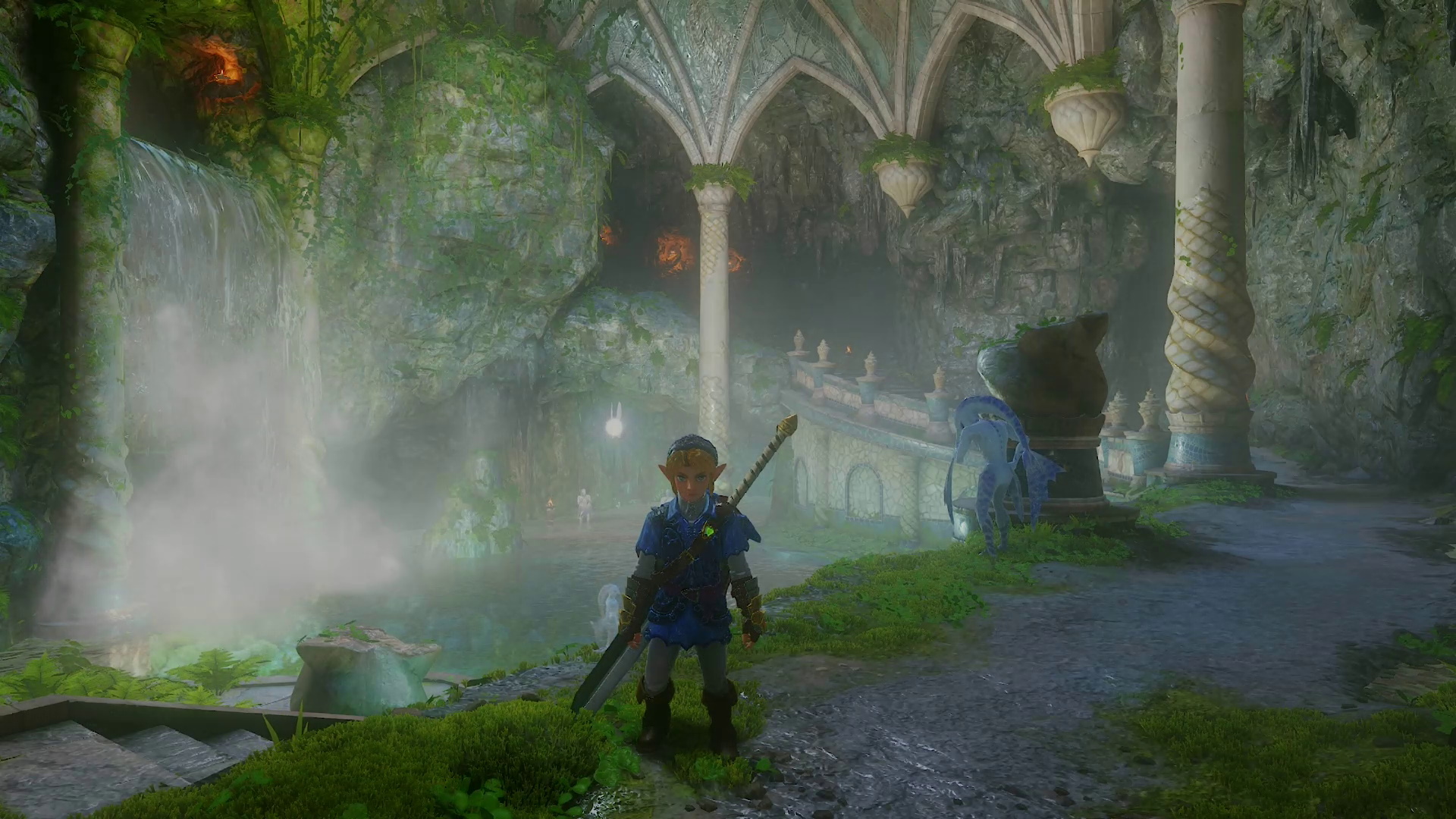
Plus, there are always different orders in which you can do things here. Ocarina of Time was famously freeform upon release when it comes to things like adult era dungeon orders, and that remains true of this game too. We personally did the Fire Temple and Water Temple before the Forest one, and we’re pretty sure the Shadow and Spirit Temples can be done in any order as well. So, if you want to go crazy with replays and try out different story and side quests in different orders, that’s very much a thing here. It’s not Breath of the Wild or Tears of the Kingdom levels of non-linearity, but it’s definitely on par with something like Echoes of Wisdom or A Link Between Worlds in many ways, and Nintendo has done nothing to limit that.
Conclusion
Overall, The Legend of Zelda: Ocarina of Time is excellent on Switch 2. The modernised visuals, music and controls are incredible, and the additions they did make work really well here. It’s probably the best way to play the title so far, and the one we’d recommend to anyone who hasn’t experienced the game since its original release in 1998.
It’s not perfect by any means; the difficulty feels inconsistent in places, and the game’s status as a remake definitely feels at odds with the visuals on occcasion, but overall, it’s an amazing game. It’s Ocarina of Time except better, and there’s nothing more to say there.
9/10